Tilt
Quick Definition
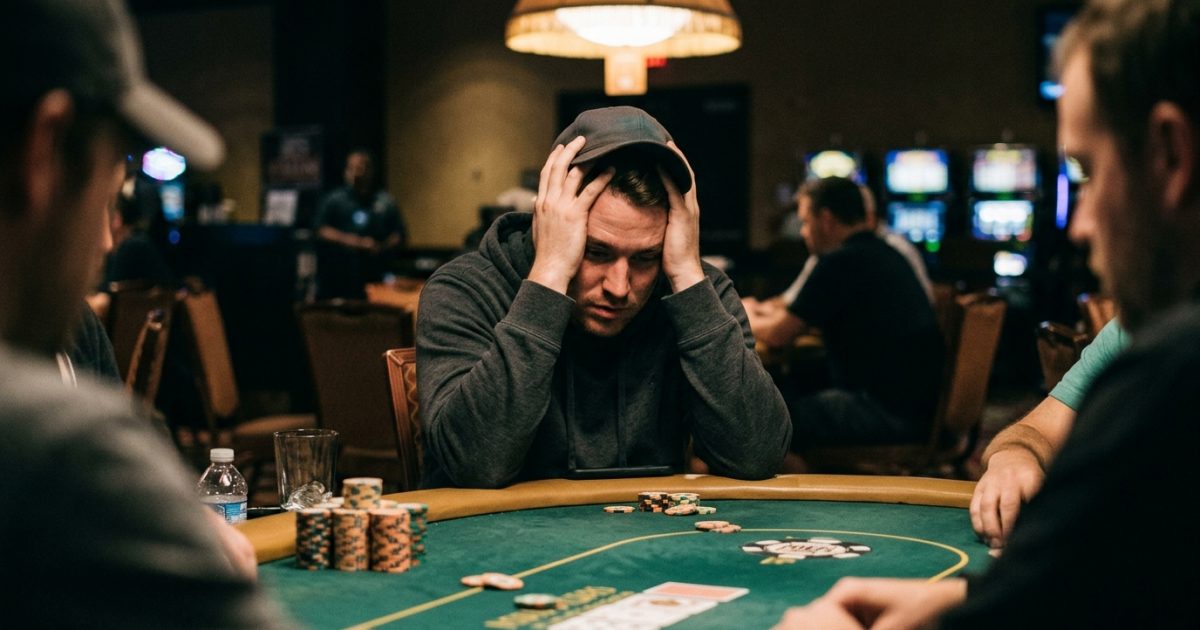
Tilt is a state of emotional frustration or mental disturbance that causes a poker player to make suboptimal decisions, typically triggered by bad beats, losing streaks, or personal stress.
What Is Tilt?
Tilt is the single greatest destroyer of poker bankrolls. It is the emotional state where frustration, anger, or anxiety overrides your rational decision-making process. When you are on tilt, you deviate from your proven strategy and make plays you know are wrong, calling too wide, bluffing recklessly, chasing losses, or playing stakes you cannot afford.
Every poker player, from beginner to world champion, experiences tilt. The difference between professionals and amateurs is not the absence of tilt but the ability to recognize it early and manage it effectively. Phil Ivey gets frustrated. Daniel Negreanu has bad days. What separates them is their response to those emotions.
Tilt costs more money than any strategic mistake you can make. A player with solid fundamentals who tilts away 30 buy-ins per year might turn a winning career into a losing one. Understanding tilt, recognizing your personal triggers, and building systems to manage it is not optional. It is essential survival equipment for any serious poker player.
How It Works
Types of Tilt:
Injustice tilt: Triggered by perceived unfairness. Bad beats, coolers, and opponents sucking out. This is the most common type. You feel the game is rigged against you.
Entitlement tilt: You believe you deserve to win because you played well, and when results do not match expectations, frustration builds. This stems from confusing decision quality with outcome quality.
Revenge tilt: After losing a big pot to a specific player, you target them with reckless aggression, trying to “get your money back” from that one person.
Desperation tilt: After significant losses, you try to win everything back quickly by playing higher stakes, loosening your standards, and forcing action.
Winner’s tilt: Often overlooked. After a big win, you feel invincible and start playing too loose, overvaluing marginal hands, and taking unnecessary risks.
Warning Signs:
- Playing hands you normally fold
- Calling bets you know you should fold to
- Increasing bet sizes beyond what the situation warrants
- Making decisions quickly without your normal analysis
- Feeling your heart rate increase or jaw tighten
- Internal monologue shifting from strategy to emotions
- Chasing losses by moving up stakes
Management Strategies:
Set a stop-loss: Before every session, decide the maximum you are willing to lose. When you hit it, leave. No exceptions.
Take breaks: When you notice tilt signs, step away from the table for 10-15 minutes. Walk, breathe, reset.
Separate decisions from outcomes: Remind yourself that a correct +EV decision that loses is still correct. Review your decision process, not the result.
Keep a session journal: After each session, note your emotional state and any tilt triggers. Patterns will emerge that you can address proactively.
Physical readiness: Tilt is worse when you are tired, hungry, or stressed about non-poker issues. Play when you are at your best.
Example
Mike is a solid $2/$5 player having a good session, up $600. He flops a set of Kings and gets all the money in against an opponent holding a gutshot straight draw. The turn and river run out to complete the straight. Mike loses a $1,200 pot.
His first reaction is anger. He feels robbed. He knows the opponent made a bad call, and that fuels his frustration. Over the next 30 minutes, Mike calls three bets he should fold, raises a marginal hand because he “needs to get aggressive,” and plays a $300 pot with middle pair against a tight player who obviously has an overpair.
By the end of the session, Mike is down $400 instead of up $600, a $1,000 swing caused not by the bad beat itself but by his emotional response to it. The bad beat cost him $600. Tilt cost him $1,000.
Had Mike recognized his tilt, stepped away for 15 minutes, and returned with a clear mind, or simply ended the session while ahead, the story would be very different.
Common Mistakes
- Denying that tilt affects you, believing you are immune to emotional play
- Not setting a stop-loss before sessions, leaving yourself vulnerable to open-ended losses
- Playing through exhaustion, hunger, or personal stress, all of which lower your tilt threshold
- Trying to win back losses within the same session instead of accepting that each hand is independent
Related Terms
- Bankroll Management — proper bankroll management reduces the financial pressure that amplifies tilt
- Variance — understanding variance helps you accept short-term results without emotional reactions
- Expected Value — focusing on EV rather than outcomes is the antidote to results-oriented tilt
- GTO — a systematic approach that reduces emotional decision-making
FAQ
How do I know if I am on tilt?
The hallmark of tilt is making decisions you would not normally make. If you find yourself calling a river bet and thinking, “I know this is bad but I cannot fold,” you are on tilt. Physical signs include increased heart rate, tension in your shoulders or jaw, rapid breathing, and a sense of urgency to play the next hand before you have processed the last one.
Can tilt ever be used to my advantage?
Your own tilt is always harmful. However, recognizing tilt in your opponents is extremely valuable. When an opponent is tilting, they play predictably: too loose, too aggressive, and too willing to put money in with weak hands. Tighten up against tilting opponents and let them donate their stack to you.
What is the fastest way to recover from tilt?
Leave the table. There is no shortcut. Physical removal from the game is the most reliable reset. Take a walk, drink water, and do something completely unrelated to poker for at least 15 minutes. If you cannot leave (tournament play), take three slow breaths, fold the next two hands regardless, and use that time to recenter. For deeper strategies, see our mental game guide.