Turn
Quick Definition
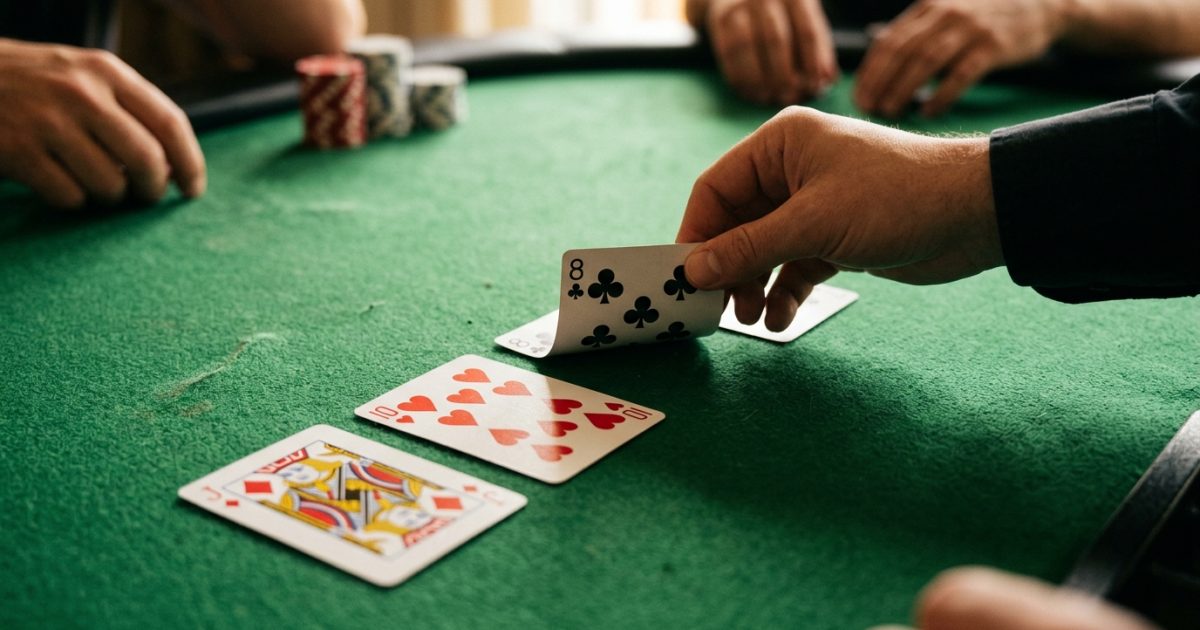
The turn is the fourth community card dealt face-up on the board after the flop betting round, also known as "fourth street" in poker.
What Is Turn?
The turn is the second of three community card dealing rounds in Texas Hold’em and Omaha. After the flop betting round concludes, the dealer burns one card and deals a single card face-up next to the three flop cards. This fourth community card, combined with the three flop cards and each player’s hole cards, gives players six of the seven total cards they will use to form their best five-card hand.
The turn is where pot sizes grow dramatically and strategic decisions carry the most weight. In No-Limit Hold’em, bets on the turn are typically larger than flop bets, and the consequences of mistakes are amplified. With only one card remaining after the turn (the river), drawing hands lose significant equity, and the relative strength of made hands becomes much clearer.
Professional players often refer to the turn as the “most expensive street” because this is where large pots are built or avoided. The decision to bet, call, or fold on the turn frequently determines whether you win or lose a session. Recreational players tend to make their costliest errors on this street, either calling too loosely with draws that no longer have favorable odds or failing to value bet strong hands aggressively enough.
How It Works
The turn follows a precise sequence:
- All flop betting is completed and collected into the pot.
- The dealer burns one card face-down.
- One community card is dealt face-up, placed beside the three flop cards.
- A new betting round begins, with the first active player to the left of the button acting first.
- Players may check, bet, call, raise, or fold.
A critical concept on the turn is how drawing odds shift. On the flop, a player with a flush draw (nine outs) has roughly a 35% chance of completing by the river (two cards to come). On the turn, with only one card remaining, that same draw drops to approximately 19.6%. This dramatic reduction in equity makes turn decisions especially important for both the drawing player and the bettor.
Turn bet sizing in No-Limit Hold’em typically ranges from 50% to 80% of the pot, though sizes vary based on board texture and strategic goals. Value bets should be sized to extract maximum chips from worse hands, while bluffs should be sized to apply pressure without overcommitting.
Example
You raised preflop with King-Queen of hearts, and the flop came Jack of hearts, Nine of hearts, Three of clubs. You bet the flop with your flush draw and one overcard, and your opponent called. The pot is $120.
The turn card is the Two of diamonds, a complete blank that changes nothing. Your opponent checks. You now face a decision: bet again as a semi-bluff, or check behind to take a free card.
With nine flush outs and three King outs giving you roughly a 26% chance of improving, you decide to bet $75 into the $120 pot. This bet accomplishes two things: it might win the pot immediately if your opponent folds, and it builds the pot for when you hit. Your opponent calls, making the pot $270 heading to the river.
Had the turn been the Seven of hearts, completing your flush, the decision shifts entirely. Now you have a made hand and should bet for value, sizing to extract the most from hands like top pair or two pair that your opponent might pay off.
Common Mistakes
- Calling turn bets with insufficient odds. On the flop, drawing hands often have correct odds to continue. By the turn, with only one card to come, those same draws frequently become unprofitable calls. Always recalculate your pot odds and implied odds before calling a turn bet.
- Failing to bet the turn for value with strong hands. Checking back the turn with strong made hands to “trap” is usually a mistake. You miss a street of value and give free cards to opponents who may have drawing hands. Bet your strong hands consistently.
- Using the same bet size on every turn card. The turn card changes the dynamic of the hand. A turn card that completes obvious draws should influence your sizing differently than a blank. Adjust your sizing based on how the turn card interacts with both your range and your opponent’s likely holdings.
Related Terms
- Flop — the first three community cards dealt before the turn
- River — the fifth and final community card dealt after the turn
- Preflop — the first betting round before any community cards
- Showdown — the reveal of hands after the final betting round
- Position — acting last on the turn provides a significant informational advantage
FAQ
Why is the turn called “fourth street”?
The term comes from the fact that the turn is the fourth community card placed on the board. In older poker variants like Seven-Card Stud, each card dealt was referred to by its street number. The terminology carried over into Hold’em, where “fourth street” and “the turn” are used interchangeably.
How should turn play differ from flop play?
Turn play should be more polarized and deliberate. On the flop, ranges are wide and many hands have similar equity. By the turn, the situation has clarified. Strong hands should bet for value more aggressively, draws should be evaluated with strict pot odds (one card remaining instead of two), and marginal hands often need to make a clear commit-or-fold decision. For detailed turn strategy, visit our poker guides.
What is a “turn barrel”?
A turn barrel refers to betting the turn after already betting the flop. Firing a second barrel puts significant pressure on opponents, especially on turn cards that favor the preflop aggressor’s range. Effective double-barreling is a hallmark of winning players and is covered extensively in the strategy content on our guides page.