Anonymous Tables
Quick Definition
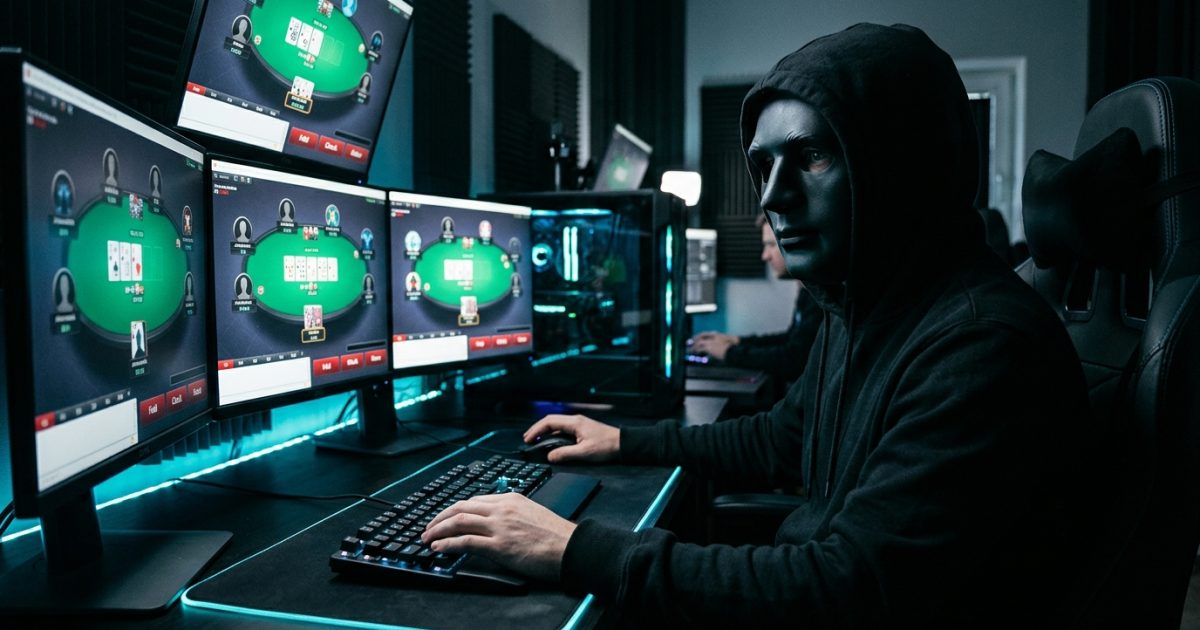
Anonymous tables are poker tables where player identities are hidden, replacing screen names with generic labels so that no one can track, profile, or target specific opponents.
What Is an Anonymous Table?
Anonymous tables strip away player identity at the poker table. Instead of seeing screen names like “SharkSlayer99” or “Phil_Ivey_Fan,” you see generic labels such as “Player 1,” “Player 2,” or simply a seat number. When the session ends or you change tables, your label changes too, making it impossible for other players to follow or target you.
This feature was introduced to protect recreational players from being hunted by professionals. In traditional online poker, skilled players use tracking software and databases to identify weaker opponents, selectively sit at their tables, and exploit their tendencies over thousands of hands. This practice, known as “bumhunting,” drove casual players away from the game because they felt targeted and outmatched before they even sat down.
Anonymous tables fundamentally changed this dynamic. By removing identity, rooms leveled the playing field. Recreational players could enjoy poker without feeling like prey, and professionals could no longer rely on massive databases of opponent history to gain an edge. The introduction of anonymity has been one of the most important developments in online poker for game health and ecosystem sustainability.
How It Works
Identity Masking: Your screen name is replaced with a generic identifier that changes between sessions or tables. Other players cannot see your real name, avatar, or any identifying information.
HUD Neutralization: Because players cannot be identified across sessions, heads-up display (HUD) software becomes effectively useless. You cannot build long-term statistical profiles when you do not know who you are playing against.
No Seat Scripting: Automated tools that scan for weak players and reserve seats at their tables are rendered worthless, since there is no way to identify who is sitting where.
Session-Based Reads: You can still take notes and observe patterns during a single session, but those reads reset when the table breaks or you move. Short-term observation skills become more valuable than database mining.
Table Selection Impact: Without knowing who your opponents are, you cannot cherry-pick soft tables. Seat assignment is typically random, creating a more balanced distribution of skill levels across all tables.
Example
You are a recreational player who deposits $200 and wants to play NL50 for an evening. On a regular table, a professional with HUD data might recognize your screen name, see that you play too many hands and fold to aggression too often, and adjust perfectly against you. On an anonymous table, that same professional has zero information about you. They must play a fundamentally sound strategy against an unknown opponent. Meanwhile, you can experiment, make mistakes, and learn without the pressure of being specifically targeted and exploited. The playing field is not perfectly level, but it is dramatically more fair.
Where to Find Anonymous Tables
Several poker rooms have embraced anonymity, though the implementation varies.
- PartyPoker runs fully anonymous tables across all cash game stakes, making it one of the most recreational-friendly rooms in the industry. No third-party HUDs are permitted.
- GGPoker does not offer anonymous tables by default but prohibits third-party HUD software, achieving a similar effect through policy rather than anonymity. Their built-in PokerCraft tool provides limited statistics.
- 888poker features anonymous tables in their SNAP (fast-fold) format and has expanded anonymity options across other game types.
- PokerStars maintains traditional named tables with HUD support, but offers Zoom Poker where the rapid table changes create a partial anonymity effect.
Related Terms
- HUD — tracking software that anonymous tables are specifically designed to counter
- Fast-Fold Poker — a format often combined with anonymity for maximum recreational player protection
- Cash Games — the primary format where anonymous tables are implemented
FAQ
Do anonymous tables make poker less skillful?
No, they shift which skills matter. Database-driven exploitation becomes impossible, but in-session reads, fundamental strategy, and adaptability become more important. Players who rely on solid theoretical play rather than opponent-specific adjustments thrive at anonymous tables.
Are anonymous tables better for beginners?
Absolutely. Anonymous tables remove the biggest disadvantage new players face: being identified and specifically targeted by experienced opponents with extensive databases. Beginners can learn the game in a safer environment where everyone starts each session on equal footing.
Can I still track my own results at anonymous tables?
Yes. Your own statistics and hand histories are still recorded by the poker room and available for review. You simply cannot access historical data about your opponents. Most rooms with anonymous tables provide built-in tracking tools so you can analyze your own performance.