How Much Money to Start Poker? Practice & Entry Costs
BPR editorial team
BPR Editor

Affiliate Disclosure: This page contains affiliate links. BPR may earn a commission when you sign up through our links, at no extra cost to you. Reviews link to the terms behind their conclusions. Learn more.
Short answer: You do not need a real-money deposit to study poker rules or use an eligible free practice option. Paid poker has no universal starting amount. Its entry price, fees and possible additional purchases must fit a spending limit chosen before you select a game.
Page edition: October 2026. All numerical examples below are hypothetical, use one currency and describe expenses, not expected winnings or a recommended deposit.
Begin by separating practice from paid play
If your goal is to learn hand rankings, the order of play or how a tournament lobby works, start with written rules or a free practice format. You do not have to demonstrate readiness by making a deposit. Keep the learning task specific.
The PokerStars play-money description documents free chips for practice games. Availability and account requirements depend on the local product. A play-money balance should not be treated as withdrawable funds, and optional purchases of virtual chips are still real expenses if you choose to make them.
Free practice is not evidence that you will win at real-money tables. It can help you understand controls and rules without making a paid entry. If the available practice option asks for a purchase you do not want, stop or use written study material instead.
Read the complete price of one entry
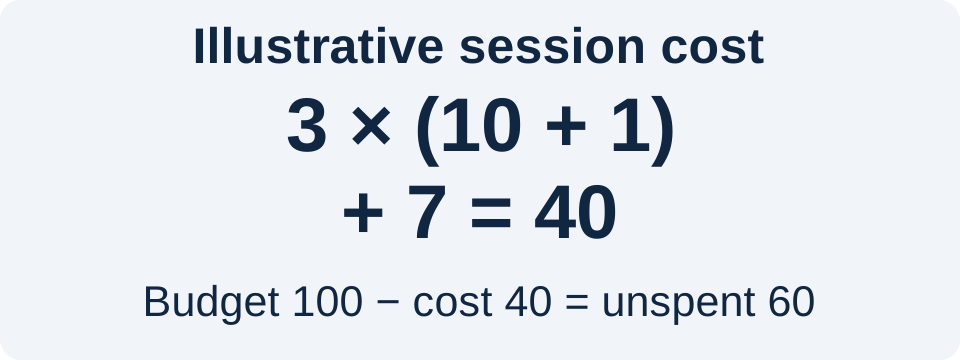
Suppose an event is listed as 10 + 1: 10 contributes to its prize pool and 1 is the entry fee. One entry costs 11. A larger prize-pool advertisement does not change that purchase price or establish your likelihood of receiving a payout.
PokerStars tournament-format rules explains the distinction between a buy-in contribution and the hosting fee, with the breakdown in the event lobby. Other products may display a combined price or use different terms. Read the actual event information rather than assuming every 11 entry has the same split.
A re-entry is another purchase, not a requirement
An event may permit another entry after elimination, within its rules and registration window. That permission does not oblige you to use it. You can plan for one entry and leave when it ends, even if other players continue buying entries.
The operator’s rules describe re-entry limits in the individual tournament lobby. Check them. A permitted maximum is not your personal spending target, and a button offering another entry does not change a budget you set earlier.
| Paid entries | Prize contribution | Fees | Other expenses | Total outlay |
|---|---|---|---|---|
| 1 | 10 | 1 | 7 | 18 |
| 2 | 20 | 2 | 7 | 29 |
| 3 | 30 | 3 | 7 | 40 |
The 7 is an assumed total expense for the session, not an extra fee on every entry. These figures do not quote a live operator offer. Buying fewer entries reduces the committed outlay in this example; no prize or refund has been included.
A cashier minimum does not decide your budget
The minimum a payment route accepts is a transaction condition. It does not establish an affordable loss amount, the price of your preferred game or how much money you should leave in an account. Check payment costs, verification and withdrawal restrictions before transferring funds.
A deposit offer can add conditions of its own. Pending bonus credit and tournament tickets are different from spendable cash. Read the bonus-terms guide if a promotion is involved, and leave it unused when its requirements do not fit your original plan.
Set the limit before choosing the event
GambleAware spending and time advice recommends setting spending and time limits in advance. Apply the boundary before browsing entries. If no paid format fits, choose free practice or no session rather than raising the limit to fit a tournament.
For a cash table, check the permitted table buy-in and rake separately. The tournament table above does not describe a cash session or recommend a multiple of buy-ins. A larger balance cannot guarantee that losses will reverse.
Use the session-budget guide to record expenses and stop conditions. The tournament glossary explains the format, while our beginner room guide helps identify local terms to check. None establishes a universal minimum deposit.
Decide whether to pay at all
Only adults meeting the applicable local age and access rules should consider paid poker. Never use money needed for essential expenses or borrow to enter. If play causes harm or limits are difficult to keep, stop and use the support routes in our responsible gambling policy.
For learning, choose a no-purchase practice route when it meets the task. For an eligible paid session, price every planned purchase first and decline any extra entry that exceeds the spending or time limit.
Ready to Put This Into Practice?
Compare room features, published terms and the evidence described in each review.
View Best Poker Sites 2026 arrow_forwardBPR editorial team
BPR Editor
BPR is published by BPR Company, USA. Refer to each article's sources and checking method; a review does not establish that an operator is authorised in your location.
About BPR →